Gamification Strategies to Encourage Adoption of Daily Reading Recommendations
Understanding Gamification in Reading
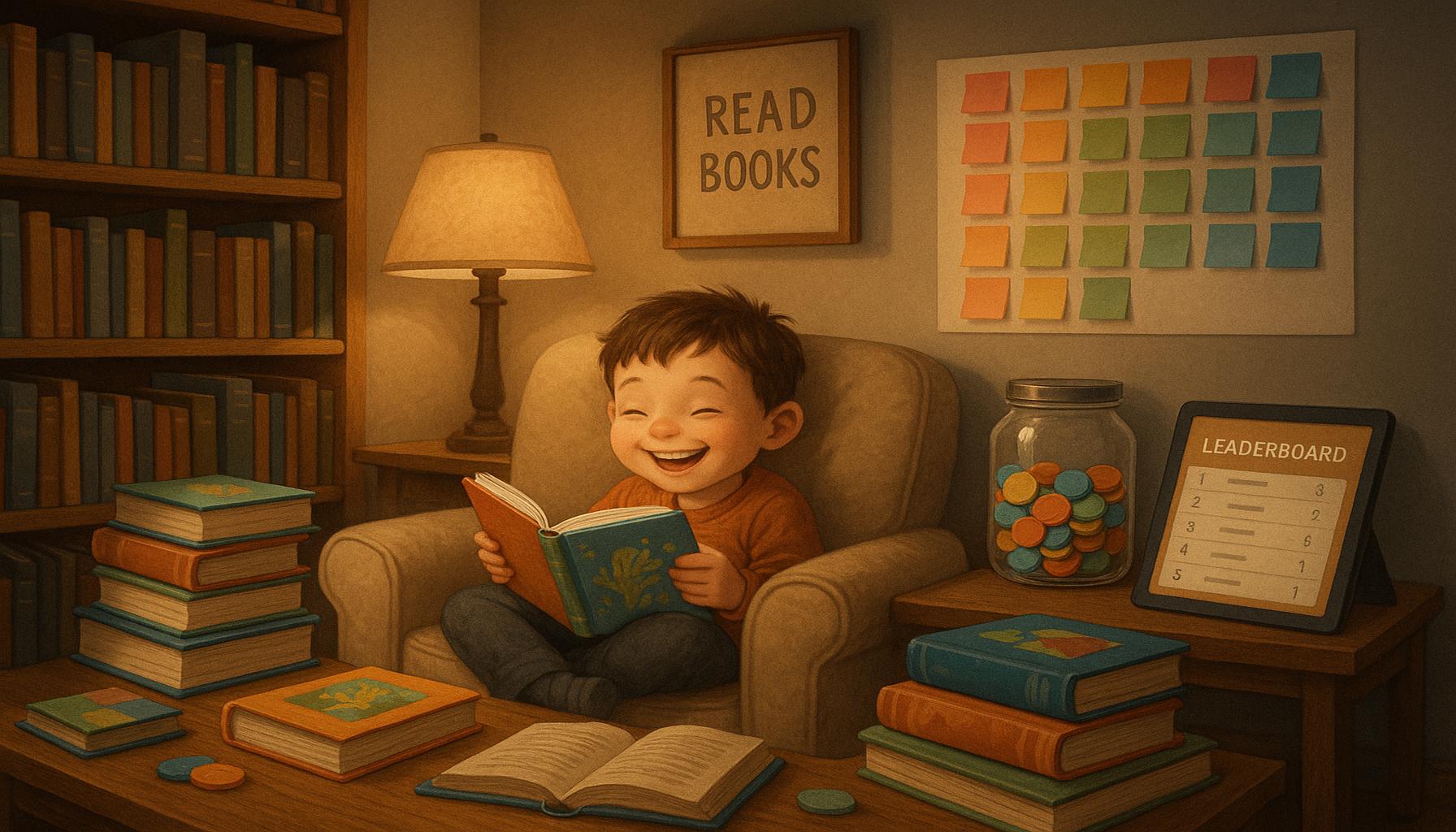
In a fast-paced world filled with screens and constant notifications, capturing the attention of budding readers has become increasingly difficult. Gamification strategies bridge the gap between modern gaming culture and traditional reading, creating an enticing environment that motivates readers to pick up books and immerse themselves in literature. By employing game-like dynamics, not only do we enrich the reading experience, but we also activate a deeper commitment to a daily reading routine.
Transformative Features of Gamification
When we think of gamification, the first elements that come to mind are often rewards and achievements. However, the depth of these features goes well beyond simple incentives, and they can be tailored to different age groups and reading interests.
- Points and Rewards: Imagine a world where readers can earn points not just for finishing books but also for engaging with interactive quizzes after each chapter or sharing reviews. Programs such as Epic! and Goodreads incorporate these elements, allowing readers to accumulate points that can lead to discounts, free books, or even exclusive content.
- Achievements: Earning badges or certificates serves to validate a reader’s efforts. For instance, a user who completes a series of books in a specific genre – say mystery or fantasy – can receive a “Genre Explorer” badge. Schools and libraries can also provide certificates to students upon completing summer reading programs, fostering a sense of accomplishment that encourages further exploration.
- Social Competition: Leaderboards can turn reading into a friendly competition. Platforms such as MyOn or community-driven initiatives may display top readers, fostering a sense of camaraderie and competition among peers. This not only sparks motivation but also encourages discussions about books, deepening their understanding and enjoyment.
These engaging factors highlight the potential of gamification to make reading a more vivid and enjoyable experience. According to research conducted by the National Endowment for the Arts, gamified reading programs can significantly boost participation rates, especially among reluctant readers. When they are presented with opportunities to earn rewards, their intrinsic motivation to read often increases, leading to more consistent habits over time.
Exploring Further Innovations
As we delve into the various gamification strategies, it’s essential to recognize the broader implications on literacy and education. Teachers can incorporate these principles into their curriculum to motivate students, while librarians can look for innovative ways to host reading challenges that engage whole communities. Programs that match local interests and celebrate cultural diversity can resonate deeply with participants, making literature a more inclusive space.
In conclusion, understanding and implementing gamification in reading not only encourages habitual reading but also fosters a vibrant community of readers who are engaged, motivated, and eager to share their experiences. As we embrace these innovative methods, we unlock the potential to create lifelong readers in an increasingly distracted world.
DISCOVER MORE: Click here to enhance your productivity
Harnessing Gamification for Enhanced Engagement
Gamification is reshaping the landscape of education and private reading, tapping into the innate desire for play and competition within individuals. By utilizing gamification strategies, we can effectively encourage the adoption of daily reading recommendations, transforming what was once a solitary activity into a dynamic communal experience. As modern learners seek interactive and engaging environments, libraries, educators, and publishers are striving to respond with innovative solutions that invite readers back to books.
Incorporating Game Mechanics into Reading Programs
The integration of game mechanics into reading initiatives has proven to be a successful strategy in promoting consistent reading habits. Here are several effective strategies worth exploring:
- Reading Challenges: Creating themed reading challenges based on popular series or genres can motivate participants to engage with literature daily. Challenges like “Summer Reading Bingo” or “30 Days of Fantasy” provide structured goals and social sharing opportunities, encouraging readers to explore diverse titles within a specific timeframe.
- Interactive Storytelling: Augmenting traditional reading materials with interactive components—like branching narratives or augmented reality experiences—can captivate both young and older audiences alike. Programs like Choose Your Own Adventure allow readers to influence the story’s direction, heightening engagement levels and deepening connections to the text.
- Milestone Recognition: Readers can be encouraged to set personal milestones, whether it’s reading a certain number of pages, completing a number of books in a month, or participating in group discussions. These incremental achievements can lead to a significant sense of progress, and recognition can come in various forms, including stickers, digital badges, or social media shout-outs.
Research suggests that structured, gamified reading programs can lead to increased frequency and duration of reading sessions, particularly among young adults and reluctant readers. According to data from the Institute of Museum and Library Services, libraries that have implemented gamification techniques have reported a marked increase in readership and engagement in their communities.
Building a Community Through Gamification
The potential for gamification to foster a vibrant reading community is immense. By integrating social features into reading platforms, participants can not only track their progress but also interact with one another. Book clubs that utilize gamification elements, such as shared reading goals or competition for “Reader of the Month,” build a sense of accountability among members. Furthermore, the use of hashtags and social media challenges can amplify excitement, creating a buzz that extends beyond physical locations and into digital spaces.
As we explore various gamification strategies, it becomes increasingly evident that the quest for greater reading engagement can lead to innovative approaches tailored to individual preferences. By blending literature with game-like elements, we invite readers to rediscover the joy of reading while establishing lifelong habits that will last well beyond their initial recommendations. This dynamic blend offers not just functional advantages but also a sense of belonging and achievement, ensuring readers remain captivated by the written word.
| Gamification Element | Impact on Daily Reading |
|---|---|
| Rewards Systems | Providing users with points or badges for completing reading tasks to boost motivation. |
| Progress Tracking | Enables readers to visualize their achievements, leading to increased engagement and consistency. |
| Challenges and Competitions | Encourages friendly competition among users, thus fostering a community of avid readers. |
| Interactive Quizzes | Tests knowledge from readings, enhancing retention and making learning enjoyable. |
Incorporating gamification strategies like rewards systems, where users earn points for reading or completing specific tasks, significantly boosts user motivation. This aspect alone leads to a greater commitment to daily reading. Moreover, implementing progress tracking allows readers to visualize their accomplishments, which can be a powerful motivator. Furthermore, challenges and competitions can create a lively atmosphere, encouraging users to read more to keep up with peers. Meanwhile, interactive quizzes not only entertain but also reinforce learning, turning reading into a more engaging process. Each of these strategies emphasizes the importance of community and individual growth, making reading a habit that offers both personal and social benefits. Readers looking to enhance their daily reading experience will find ample motivation through these engaging elements, encouraging sustained exploration of literature.
DISCOVER MORE: Click here to enhance your productivity
Fostering Motivation Through Competition and Rewards
Another cornerstone of utilizing gamification strategies to stimulate daily reading recommendations lies in cultivating a sense of competition and rewarding achievement. Incorporating these aspects into reading programs redefines the reader’s journey and presents an exciting way to meet literary goals. By leveraging the effective power of competition, we can further inspire participants to embrace their reading routines.
Leaderboards and Competitiveness
One effective strategy is the implementation of leaderboards, which can encourage healthy competition among readers. By showcasing individual progress in comparison to peers, readers may feel compelled to boost their reading frequency to ascend the ranks. Libraries could adopt this approach by providing monthly rankings of the top readers in various categories—most books read, most reviews written, or fastest completion times for reading challenges. This not only sparks a competitive spirit but also motivates readers to socialize and engage with their respective communities.
Studies from the American Library Association indicate that users who participate in competitive reading challenges experience an increase in their engagement and overall reading satisfaction. It becomes a vibrant social activity as individuals come together to discuss progress, share insights, and foster connections through a shared love of books.
Incentivizing Participation with Rewards
In addition to competition, offering tangible rewards can significantly boost motivation. Readers could earn points for every book read, review submitted, or even through participation in discussions. These points can then be redeemed for a variety of incentives such as bookstore gift cards, exclusive author meet-and-greets, or even free entry to local literary events.
Analyzing successful reading programs, notably the Read Across America initiative, demonstrates how structured reward systems can enhance reading engagement. Participants often report feeling a greater sense of accomplishment when their efforts are recognized, whether through physical rewards or badges representative of their achievements. This recognition fosters a culture of achievement and shared enthusiasm, encouraging others to join in and partake in the excitement.
Creative Use of Technology in Gamification
Technology also plays a pivotal role in engaging readers through innovative gamification strategies. Mobile applications and websites tailored to reading can utilize interactive features that provide a captivating user experience. For instance, apps like Goodreads incorporate gamification through reading challenges, allowing users to track progress while connecting with friends and discovering new recommendations. Notifications can act as reminders that enhance a reader’s commitment to daily practices.
Implementing augmented reality into reading experiences has evolved into a captivating venture, with applications that intersect reading with gaming elements. For example, readers can unlock additional content or hidden narratives by engaging with specific books. This approach not only amplifies interest but taps into the thrill of discovery and exploration, ensuring that the act of reading becomes far more than just a one-dimensional task.
By embracing a blend of competitive elements and rewarding participation, reading can be reimagined as an exhilarating journey rather than a mundane task. The fusion of technology and creativity within gamification strategies serves as a powerful catalyst that encourages readers of all ages to discover, explore, and ultimately adopt daily reading recommendations wholeheartedly.
DIVE DEEPER: Click here to discover how reading challenges can enhance your daily routine
Conclusion: The Future of Reading through Gamification
In conclusion, employing gamification strategies to promote daily reading recommendations is not only an innovative approach but also a transformative one. By integrating elements such as competition, rewards, and technology into reading programs, we redefine the traditional reading experience and make it more engaging and enjoyable. The use of leaderboards instills a spirit of camaraderie among readers while fostering motivation to achieve personal goals, ultimately leading to enriched literary discussions and community connections.
Additionally, the incorporation of tangible incentives further enhances participation and recognizes individual achievements, creating a culture where readers feel valued and empowered. As demonstrated by successful initiatives like Read Across America, the impact of reward systems can be profound, as they encourage continuous engagement and excitement about reading.
Moreover, leveraging technology—through mobile apps and augmented reality—opens new doors for interaction and discovery, ensuring that reading is not merely a solitary task but a dynamic experience. As libraries, educators, and reading advocates explore these gamification strategies, they will likely discover more innovative ways to captivate audiences and instill a lifelong love of reading.
Ultimately, as we navigate an increasingly digital landscape, embracing these gamified approaches may very well be the key to encouraging more individuals to adopt and sustain daily reading habits, paving the way for a generation of engaged, informed readers.
Related posts:
How to Choose Books for Daily Reading Motivation and Engagement
The influence of reading recommendations on the formation of reading communities and its impact on d...
Tips for Creating an Environment Conducive to Reading That Favors the Formation of Micro-Habits
How storytelling techniques can make reading recommendations more engaging and effective for creatin...
The role of social media in disseminating reading recommendations for daily micro-habits
Creating a Balanced Reading Diet: Mixing Genres for Daily Micro-Habits

Linda Carter is a writer and reading habits specialist who helps busy individuals develop sustainable daily reading routines. With extensive experience in behavior science and literacy development, she shares practical micro-habit strategies on our platform to make reading effortless and enjoyable. Her goal is to empower readers with science-backed techniques to consistently engage with books, even with demanding schedules.