Creating a Conducive Reading Environment: How Physical Space Influences Your Micro-Habits

The Influence of Physical Environment on Reading
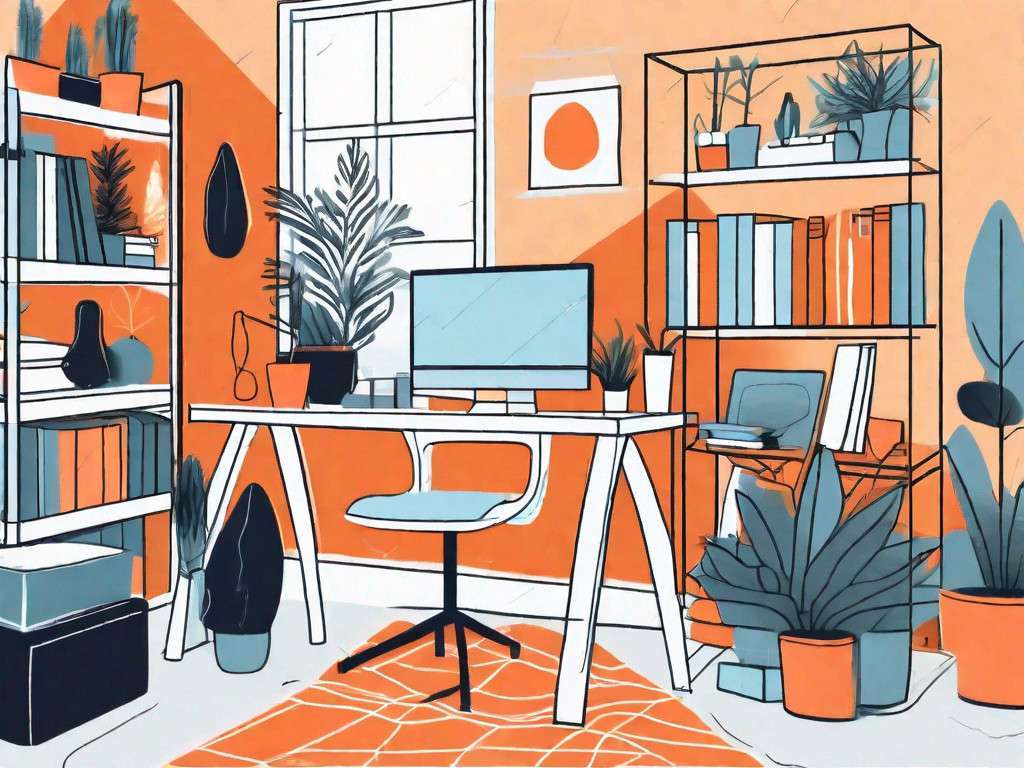
The environment in which you read plays a crucial role in your ability to focus and retain information. This extends far beyond merely choosing a comfortable chair or ensuring adequate lighting; the broader context of your physical space significantly shapes your micro-habits, which in turn enhance your reading experience. A few thoughtful adjustments can transform your reading routine and lead to a more fulfilling literary journey.
Key Elements of a Reading Environment
- Lighting: The type of light you read under can greatly impact your comfort level. For example, studies show that natural light enhances alertness and mood, making it an ideal choice when possible. Conversely, harsh fluorescent lighting might lead to eye strain and discomfort, detracting from the overall experience.
- Seating: The importance of selecting comfortable seating cannot be overstated. A plush armchair or a well-cushioned sofa can encourage longer reading sessions, while an uncomfortable desk chair might cut your reading time short. Consider investing in a supportive chair that promotes good posture to increase your reading stamina.
- Noise Levels: A quiet environment fosters concentration, so consider establishing reading zones in your home away from high-traffic areas. Background noise, such as public transport or a bustling café, may work for some readers, but others may benefit greatly from silence or the gentle sounds of nature, like rustling leaves or birds chirping.
Creating an ideal reading environment is about more than the book in your hands. A well-thought-out setup not only aids concentration but also enhances your information retention. By being mindful of the spatial elements surrounding you, you can cultivate positive reading micro-habits that promote ongoing personal growth and learning.
Why Location Matters
Your choice of reading location can serve as a powerful catalyst for establishing a consistent reading routine. A dedicated reading nook or a cozy corner in your home can signal your brain that it’s time to immerse yourself in a book, reinforcing the habit of reading. This contrasts sharply with an unorganized space, which often invites distractions and chaos, making it difficult to focus.
Understanding how physical space influences your reading practices leads to a more intentional approach. For instance, readers in the United States might find comfort in creating a space that reflects their personal style, perhaps adorned with book-themed décor, warm colors, or plants that promote calmness and focus.
Are you ready to enhance your reading experience? By exploring the intricate ways in which physical space drives your reading habits, you can create a tailored environment that not only supports your literary pursuits but elevates your overall enjoyment of reading. Dive into this transformative journey and discover how small changes can yield significant improvements in your ability to engage with the written word.
DISCOVER MORE: Click here to uncover daily reading tips
Understanding Emotional Triggers in Your Reading Space
A productive reading environment is not just about physical comfort; it also encompasses the emotional triggers associated with your space. Our brains often form associations between certain locations and activities. By deliberately crafting a space that resonates with positive emotions, you can reinforce your reading micro-habits. Think about how a favorite coffee shop might inspire creativity or how a serene home nook can evoke a sense of calm focus. The key is to create a reading sanctuary that cultivates the emotional balance necessary for deep engagement with your text.
Personalizing Your Space
Personalization is an essential factor in establishing a conducive reading environment. Elements that speak to your identity can help to create a retreat where you can escape into different worlds. Here are several strategies to consider when enhancing your reading corner:
- Décor: Incorporate items that inspire you, such as artwork, framed quotes from favorite authors, or book-themed gadgets. These tokens can spark motivation and transport you into a more imaginative mindset.
- Comfort Items: Include a cozy throw blanket or decorative pillows to make your space inviting. The tactile nature of these items can enhance comfort and signal your brain that it’s time to unwind and read.
- Organizational Tools: Utilize bookshelves or storage solutions that keep your reading materials visible and accessible. The sight of books within reach not only encourages spontaneous reading but also reduces the clutter often associated with disorganization.
- Greenery: Adding plants can play an influential role in creating a calming atmosphere. Research indicates that indoor plants can enhance air quality while also promoting a sense of tranquility—a perfect companion for your reading rituals.
Taking the time to tailor your reading nook can lead to significant benefits. Whether you lean towards minimalism or vibrant styles filled with accessories, the ultimate goal is to create a personal ambiance that thrills and inspires you to open a book. Your reading corner should serve as an extension of yourself—a reflection that embodies comfort, creativity, and tranquility.
The Role of Routine in Shaping Reading Habits
Establishing a routine by consistently choosing your designated reading area strengthens your micro-habits. When you repeatedly associate a particular space with immersion in literature, it reinforces the habit loop that allows you to read more effectively. Behavioral scientists suggest using the cue-routine-reward model to solidify habits; your reading location acts as a cue that signals your brain to engage in the reading routine, ultimately leading to the reward of enhanced knowledge and enjoyment.
By consciously recognizing how physical space influences your emotional well-being and reading practices, you can consciously design a reading environment that propels you toward achieving your reading goals. As you embark on this journey of elevating your reading environment, the values that dictate your micro-habits will inevitably flourish, offering a more enriching engagement with the world of words.
| Environmental Aspects | Influence on Micro-Habits |
|---|---|
| Lighting | Proper lighting minimizes eye strain and enhances focus, fostering an optimal reading atmosphere. |
| Seating Comfort | Comfortable seating encourages longer reading sessions, which can lead to the development of positive reading habits. |
| Organized Space | An organized space reduces distractions, helping you to concentrate better on your reading material. |
| Aesthetic Appeal | Visually appealing environments spark curiosity and may encourage more regular engagement with reading. |
Incorporating these factors into your reading space can significantly enhance the quality of your reading time. For example, adequate lighting can dramatically change how you perceive the text, while comfortable seating can make hours of reading feel like mere moments. A chaotic environment often mirrors a chaotic mind; therefore, an organized and appealing reading nook could serve both aesthetic and functional purposes. Adjusting your surroundings accordingly not only boosts your reading experience but also subtly influences your micro-habits, strategically nudging you towards sustained engagement with literature.
Dive deeper: Click here to learn more
Integrating Sensory Elements into Your Reading Space
Beyond emotional triggers and personalization, enhancing your reading environment involves a nuanced approach to sensory integration. The strategic incorporation of sensory elements can significantly influence the mood and focus conducive to developing strong reading micro-habits. A well-rounded approach that engages multiple senses can create an experience that encourages deeper immersion in literature.
Lighting: The Overlooked Advantage
Lighting plays a crucial role in establishing the right ambiance for reading. Natural light is often considered ideal, as it enhances alertness and promotes a cheerful environment. If possible, position your reading area near windows or in well-lit rooms to take advantage of sunlight.
However, as night falls or cloudy days arise, it’s essential to have layered lighting that adjusts to your needs. Soft table lamps or fairy lights can create a cozy atmosphere without straining your eyes. Adjustable lighting ensures that your reading rituals remain consistently pleasant, allowing you to settle into your reading routine irrespective of the time of day.
Soundscapes: Curating Your Acoustic Environment
Sound impacts concentration and motivation levels profoundly. The right audio backdrop can elevate your reading experience into a deeper, more immersive journey. Consider incorporating calming soundtracks, such as instrumental music, nature sounds, or white noise that minimizes distractions and enhances focus.
Conversely, if silence prevails, some individuals may find it beneficial to utilize soft background noise—think gentle cafe chatter or quiet café sounds—to mimic the invigorating atmosphere of a local bookshop. Creating a soundscape aligned with your preferences can encourage your mind to associate reading with a specific auditory experience, solidifying these micro-habits further.
Temperature and Air Quality: The Subtle Influencers
The physical conditions of your reading space are often underestimated yet paramount in fostering an inviting atmosphere. Maintaining a comfortable temperature—ideally between 68°F to 72°F—inhibits distractions arising from discomfort. The usage of personal fans or heating pads can cater to individual needs, ultimately leading to prolonged reading sessions.
Moreover, ensuring quality air is just as important. Fresh air invigorates the mind and body while also facilitating concentration. Investing in an air purifier can combat stagnant air, especially in enclosed spaces, while strategically placed plants not only enhance decor but also serve as natural air filters, as previously mentioned. Optimizing air quality alongside temperature can sustain your reading enthusiasm and concentration levels.
Furniture: Ergonomics Matter
The selection of furniture in your reading space can dictate the length of your reading sessions and the comfort levels you experience. Ergonomic chairs and desks, or even a cozy reading recliner with proper lumbar support, can significantly impact your ability to focus without distraction. If space permits, consider alternatives like bean bags, poufs, or floor cushions, which add versatility to your reading practices.
Equally, while aesthetics play a vital role in engagement, functionality must be prioritized. Adjustable tables and seating options allow you to switch positions and styles comfortably, reducing monotony and keeping your reading sessions fresh. Learning to recognize body signals can guide you in finding the optimal furniture setup for your reading habits.
By understanding and incorporating these sensory elements into your reading environment, you can create an enhanced atmosphere that not only supports your reading micro-habits but also invites you to explore and connect with literature on different levels.
EXPAND YOUR HORIZONS: Click here to delve deeper
Conclusion: Transforming Your Reading Experience Through Thoughtful Design
In exploring the intricate relationship between physical space and reading habits, it becomes evident that creating a conducive reading environment is essential for cultivating strong and lasting micro-habits. By thoughtfully integrating sensory elements such as optimal lighting, curated soundscapes, and comfortable furniture, readers can design spaces that not only enhance focus and motivation but also promote a deeper connection with the written word.
The significance of temperature and air quality cannot be overstated; these subtle yet powerful aspects directly affect our ability to concentrate over extended periods. Additionally, a personalized environment that reflects individual tastes and preferences amplifies the reading experience, fostering a sense of belonging and joy. The results are transformative—not only does your reading routine become more engaging, but you also begin to view reading as an enriching habit worth nurturing.
Ultimately, the journey towards better reading micro-habits involves more than just the books we choose; it is significantly shaped by the spaces we inhabit. By implementing the strategies discussed, readers can take actionable steps towards crafting a reading oasis that breathes life into their literary pursuits. Now, armed with this understanding, why not embark on the adventure of reimagining your own reading environment? The books are waiting to be discovered, and so is a more enriching reading experience!
Related posts:
How to Cultivate a Love for Reading in Children Through Micro-Habits
Exploring Different Reading Formats: How Audiobooks and E-Books Can Enrich Your Micro-Habits
Building a Daily Reading Routine: Tips for Busy Professionals
Reading as a Form of Self-Care: How Dedicating Time to Read Can Improve Your Well-Being
Transformative Micro-Habits: How Short Daily Reading Sessions Can Enhance Vocabulary and Writing Ski...
Reading as a Morning Ritual: How to Start the Day with Good Stories

Linda Carter is a writer and reading habits specialist who helps busy individuals develop sustainable daily reading routines. With extensive experience in behavior science and literacy development, she shares practical micro-habit strategies on our platform to make reading effortless and enjoyable. Her goal is to empower readers with science-backed techniques to consistently engage with books, even with demanding schedules.