Establishing a Nighttime Reading Routine to Improve Sleep

The Transformative Power of Reading Before Bed
In our ever-busy lives, the struggle to get sufficient sleep is a common lament. For many, the solution may lie in establishing a nighttime reading routine. This simple yet profound practice provides not only a welcome distraction from the day’s chaos but also plays a significant role in enhancing sleep quality.
Reading before bed offers a multitude of benefits that can lead to deeper, more restorative sleep. Firstly, it acts as a powerful tool for calming the mind. In a world where digital screens dominate our attention, transitioning to a physical book can greatly reduce mental stimulation. Unlike the flickering lights of smartphones or computers that can disrupt circadian rhythms, the act of reading a printed book engages the brain in a much gentler way, allowing stress and anxiety to ebb away.
Furthermore, embedding reading into your nightly routine serves as a sleep cue. This concept, rooted in behavioral science, demonstrates that our brains can associate specific activities with certain times. By repeatedly pairing reading with bedtime, you send your brain reassuring signals that it’s time to wind down, promoting an easier shift into sleep mode. Over time, this simple act can lead to a more automatic transition from wakefulness to sleep.
Consistency is key in building healthy habits, and a reading routine can encourage routine. Identifying a set time each evening for reading helps regulate your body’s internal clock. Even if you start with just 10 to 15 minutes each night, you’ll likely find yourself settling into sleep more readily as a result of this patterned behavior.
However, not all reading material delivers the same soothing effects. To maximize the benefits, it’s important to choose the right material. Consider opting for lighter reads or perhaps engaging novels that don’t evoke strong emotional reactions or intense cognitive engagement. Genres such as fluffy romance, gentle fantasy, or calming non-fiction can serve as excellent choices. Additionally, the establishment of a consistent time is essential—aim for the same hour each night to signal to your body that it’s almost time for rest.
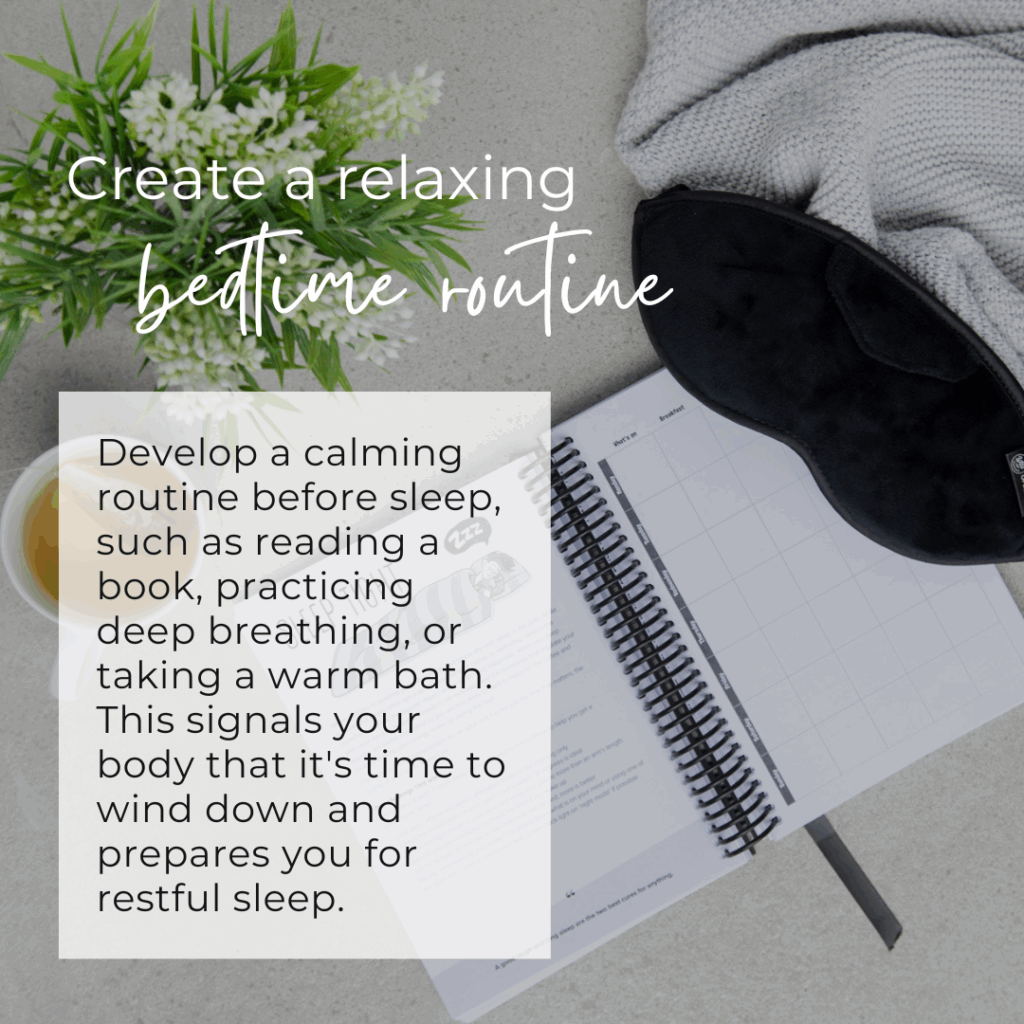
Moreover, creating a cozy environment is paramount in facilitating a productive reading session. A well-prepared reading nook should be comfortable and inviting. Dim lighting, a plush blanket, and a favorite armchair can all contribute to this ambiance. Ensuring that the setting is discouraging of distractions enhances the reading experience and, consequently, your ability to drift into sleep more seamlessly.
With sleep-related issues affecting countless individuals across the United States, it is vital to explore all avenues that may promote better rest. Incorporating a nighttime reading routine may just unlock the secret to falling asleep faster and improving overall sleep quality. By dedicating just a few moments each night to this transformative practice, you could be on your way to embracing a more restful night filled with rejuvenating slumber.
DIVE DEEPER: Click here to discover how to choose the perfect books for your reading goals
Creating Your Ideal Nighttime Reading Routine
So how do you begin to establish a nighttime reading routine that not only enhances your literary experience but also contributes to improved sleep? Let’s explore some effective strategies that can make the transition into a calming pre-sleep activity seamless and enjoyable.
Setting the Stage for Reading
The first step to a successful nighttime reading routine is to create an inviting reading environment. Having a well-defined space that encourages reading can set the tone for relaxation. Here are several key elements to consider:
- Comfortable Seating: Choose a cozy chair or a soft bed to sink into while you read. Consider adding cushions or a blanket to make the space feel more inviting.
- Dim Lighting: Use soft, warm lighting rather than harsh overhead lights. A good reading lamp with an adjustable brightness can help minimize strain on your eyes and promote a peaceful atmosphere.
- Minimal Distractions: Clear your reading area of clutter and turn off electronic devices. Creating a serene environment minimizes interruptions and allows your mind to settle into your book.
Selecting the Right Reading Material
Another vital factor in your nighttime reading routine is the selection of reading material. Picking the appropriate genre and style can make a big difference in how quickly you unwind. Consider these suggestions when choosing your next book:
- Light Fiction: Opt for novels that are engaging yet not overly stimulating. Light romance, cozy mysteries, or humorous adventures can be appealing as they encourage relaxation.
- Inspirational Non-fiction: Books that offer gentle insights or positive affirmations can help calm your mind. Avoid books that might provoke intense emotions or complex thoughts.
- Shorter Works: Sometimes a short story or a few poems can be the perfect way to ease into sleep without feeling compelled to keep reading for hours.
Consistency is Key
Developing a nighttime reading routine involves more than just choosing the right book. Consistency plays an essential role in this practice. Aim to read at the same time each night, ideally 30 to 60 minutes before bedtime. By establishing this routine, your body will start to recognize these cues, reinforcing the association between reading and sleep. Over time, your brain will begin to switch into ‘sleep mode’ as soon as you pick up your book.
In addition, consider making a small ritual out of it—whether it’s enjoying a cup of herbal tea, dimming the lights, or playing soft music. These positive associations can help to enrich your nighttime reading experience, ensuring that you look forward to this quiet time every evening.
To summarize, creating a nighttime reading routine involves a thoughtful approach to your environment, material selection, and practice schedule. By systematically weaving these elements into your daily life, you can cultivate a habit that not only enhances your reading pleasure but also serves as a powerful ally in the quest for better sleep.
Creating an effective nighttime reading routine can significantly enhance your sleep quality. Engaging with books as a part of your evening ritual not only provides a means to relax, but it also signals to your brain that it’s time to unwind. Here’s a detailed look at how you can cultivate this habit:
Choosing the Right Material
Selecting material that is not too stimulating is essential. Fiction often works wonders as it invites escapism without increasing anxiety or excitement. Non-fiction can be rewarding too, as long as it’s written in an engaging manner that fosters tranquility rather than mental strain.
Creating the Perfect Environment
Your reading space plays a pivotal role in your nightly routine. Ensure that it is well-lit but soft on the eyes. A reading lamp with adjustable brightness can help you find that ideal balance. Additionally, investing in comfortable seating can enhance your experience, making the routine something to look forward to rather than a chore.
Consistent Timing
Establishing a set time each night helps condition your body to prepare for sleep. Aim for at least 30 minutes of reading each evening, starting about an hour before your intended bedtime. This practice can seamlessly transition you from the busyness of day to the tranquility of night.
Minimizing Distractions
To fully immerse in your reading, it’s crucial to eliminate distractions. Turn off electronic devices that could interrupt your concentration or allure you with notifications. Creating a peaceful atmosphere can significantly enhance your reading experience and subsequently improve your sleep.
Maintaining a Reading Journal
A reading journal can serve dual purposes: to enhance your comprehension and retention of what you’ve read, and to motivate you to maintain your routine. Jot down thoughts or even brief summaries to deepen your engagement with the material. This reflective practice can enrich your reading experience and reinforce the habit.
| Category 1 | Category 2 |
|---|---|
| Improved Mental Health | Reading can be a form of therapy that reduces stress and anxiety. |
| Enhanced Sleep Quality | A calming reading routine promotes restful sleep. |
By implementing these strategies into your nighttime routine, you’ll foster a peaceful environment conducive to sleep. A consistent reading practice not only enriches your mind but also paves the way for better sleep, ultimately enhancing your overall quality of life.
Dive Deeper: Click here to learn more about the importance of gender diversity in reading
Enhancing Your Nighttime Reading Experience
Once you’ve set the stage and selected the right material, it’s important to focus on the experience of your nighttime reading routine. The physical and mental nuances surrounding your reading time can greatly influence its effectiveness in promoting better sleep. Here’s how you can further enhance your nightly escape into literature.
Integrate Relaxation Techniques
Before diving into your book, consider incorporating some relaxation techniques to calm your mind and body. Activities such as breathing exercises, light stretching, or even meditation can help clear your thoughts and transition you into a restful state. For instance, taking a few deep breaths while focusing on the rhythm of your inhalation and exhalation for a couple of minutes can lower cortisol levels, promoting an immediate sense of calm. This allows your reading session to become a harbor of tranquility rather than another task on your daily to-do list.
Utilize the Right Reading Device
The choice of reading device can play a significant role in your routine’s effectiveness. While traditional paperbacks create a tactile connection to the story, e-readers can also serve as excellent tools if used thoughtfully. Most e-readers have features like adjustable brightness and warm light settings that reduce blue light exposure, making them more suitable for bedtime reading. Regardless of your choice, aim for a device that won’t disrupt your sleep cycle. Remember, the glow from screens can interfere with melatonin production, so if you opt for an electronic format, consider using a self-lit device that minimizes this impact.
Incorporate Short Reading Sessions
Yet another strategy for a fulfilling nighttime reading routine revolves around the duration of your reading sessions. Instead of committing to lengthy chapters, focus on shorter reading periods. Research suggests that reading for even 15 to 20 minutes can provide significant relaxation benefits and can be more effective than trying to power through a hefty tome in one sitting. This approach allows you to enjoy multiple stories or poems over the week without the pressure of finishing a long work, fostering anticipation for each night’s reading adventure.
Keep a Reading Journal
To deepen your engagement with the material and reflect on what you’ve read, consider keeping a reading journal. Jotting down thoughts, insights, or quotes can enhance your appreciation of the stories while also serving as a soothing ritual before sleep. By summarizing what you’ve read and how it made you feel, you create a moment of mindfulness that grounds you in the present, further clearing your mind for restorative sleep.
Experiment and Evaluate
Finally, remember that self-discovery is part of creating a successful nighttime reading routine. Experiment with different genres, reading times, and strategies to find what resonates most with you. Keep track of your sleep quality and the impact reading has on it; adjusting your routine based on your findings can lead to a more tailored and enriching experience. Tracking methods could be as simple as a sleep diary or utilizing sleep apps that provide insights into your sleeping patterns. Ultimately, customization is essential for establishing a routine that integrates reading as a soothing pre-bedtime activity.
By blending relaxation techniques, device choices, manageable reading sessions, reflective practices, and personal experimentation into your nighttime reading routine, you are not only enhancing your literary journey but also paving the way for improved sleep. The ultimate goal is to find a rhythm that allows you to wind down effectively, reducing stress and signaling your body that it is time for rest.
DIVE DEEPER: Click here to discover the impact of daily reading on empathy
Conclusion: Cultivating Serenity Through Page-Turning
In today’s fast-paced world, where stress and screens dominate our evenings, establishing a nighttime reading routine offers an oasis of calm and a pathway to better sleep. By integrating simple yet effective practices such as relaxation techniques, short reading sessions, and mindful reflection through journaling, you can transform your bedtime into a cherished sanctuary of literature. Choosing the right reading device, whether it be a comforting paperback or a thoughtfully designed e-reader, further enriches the experience, allowing you to immerse yourself in stories without the hindrance of modern distractions.
The importance of personal experimentation cannot be overstated. Every individual’s relationship with reading and sleep is unique, and what works well for one person may differ significantly for another. Therefore, by observing your sleep quality and making incremental adjustments to your routine, you can curate an experience that not only enhances your literary appreciation but also promotes restorative sleep. In embracing this personalized approach, you join the ranks of many who have discovered the joy of winding down with a good book.
Ultimately, fostering a nighttime reading routine is not merely about sleep; it’s about cultivating a habit that nurtures both mind and body, leading to a richer life experience. So tonight, as you turn the pages of your chosen tale, let yourself drift into a world of imagination, knowing that each word is a step towards serenity and rejuvenation. Dive into your reading adventure, and allow it to guide you gently into the realm of dreams.
Related posts:
The Importance of Keeping a Reading Journal: Reflecting on What You Read
How Reading in Small Intervals Can Transform Your Daily Routines
Creating a Virtual Book Club: Connecting with Others to Encourage Daily Reading
The Importance of Establishing a Daily Reading Routine for Personal Development
Boost Productivity Establish a Morning Reading Routine for Success
The Importance of Nighttime Reading Routines for Relaxation and Sleep

Linda Carter is a writer and reading habits specialist who helps busy individuals develop sustainable daily reading routines. With extensive experience in behavior science and literacy development, she shares practical micro-habit strategies on our platform to make reading effortless and enjoyable. Her goal is to empower readers with science-backed techniques to consistently engage with books, even with demanding schedules.